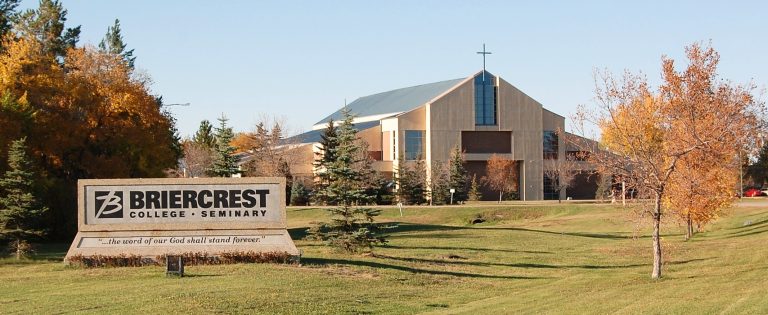
Leading for the Long Haul: Michael Pawelke on Christian Higher Education
What does it take to lead a Christian educational institution faithfully over the long haul? How can Christian colleges and seminaries remain true to their mission while responding to changing cultural, financial, and institutional realities? And how might theological education better serve the needs of the church?
In this episode of the Thinking Teams Podcast, Jason Mills speaks with Dr. Michael Pawelke, President of Briercrest College and Seminary, about these questions and more. Drawing on Briercrest’s history and his own experience in institutional leadership, Michael reflects on the challenges of leading long term, the distinctive contribution of Christian higher education, and the opportunities for greater collaboration between educational institutions and the church.
The conversation offers a thoughtful perspective on what it means to lead with resilience, remain committed to an institution’s mission, and prepare the next generation of Christian leaders.
Listen to the Episode
In This Episode
Jason and Michael explore Briercrest’s history, its distinctive educational model, and the challenges and opportunities facing Christian higher education. Several themes stand out.
- A distinctive educational mission: Briercrest’s development into a high school, college, and seminary reflects a commitment to educating disciples, equipping the church, and engaging the world. Each school has a distinctive role, but together they contribute to a broader vision of Christian formation and service.
- The importance of community and context: Briercrest’s rural setting and close-knit campus community contribute to its educational experience. Michael also highlights the value of the seminary’s modular format, which allows students to pursue theological education while remaining connected to their ministry and vocational contexts.
- Resilience in long-term leadership: Michael reflects on his journey to the presidency and the importance of remaining committed through difficult seasons. Leadership inevitably involves challenges, disappointments, and decisions that test both personal resolve and institutional conviction. His experience illustrates the importance of perseverance and a long-term perspective.
- Leading through institutional challenges: Christian higher education faces significant pressures, including financial sustainability, enrolment challenges, and cultural change. Michael speaks candidly about Briercrest’s experience, including the difficult period of layoffs in 2015. These experiences underscore the importance of facing institutional realities honestly while remaining grounded in mission.
- Strengthening the relationship between theological education and the church: A recurring theme is the need for theological institutions to serve the church more effectively. Michael emphasizes pastoral formation that goes beyond academic preparation, encompassing scriptural understanding and the professional, spiritual, and emotional resilience required for ministry.
- The opportunity for greater collaboration: Christian colleges and seminaries face many of the same institutional pressures. Michael considers how schools might share resources and collaborate more intentionally while retaining their distinctive identities. Such collaboration could strengthen theological education and help institutions serve the church more effectively.
About Dr. Michael Pawelke
Dr. Michael Pawelke serves as President of Briercrest and Professor of Leadership and Pastoral Studies. His leadership experience is grounded in decades of pastoral ministry, including eight years involved in church planting in Winnipeg and 19 years as Senior Pastor of Compass Point Bible Church in Burlington, Ontario.
A Briercrest alumnus, Michael also holds a Master of Arts in Biblical Studies from Dallas Theological Seminary and a Doctor of Ministry in Leadership from Gordon-Conwell Theological Seminary. His teaching and leadership interests include ministry leadership, strategic thinking, planning and execution, faculty vitality, and mentorship. Throughout his ministry, Michael has maintained a deep commitment to the local church and to developing disciples who can help others grow in their faith. He describes his personal calling as to “love, lead, feed, and seed,” reflecting his desire to love and empower others to become more fully formed disciples of Jesus Christ.
Why This Conversation Matters
Christian higher education is at an important crossroads. Institutions face growing financial pressures, changing enrolment patterns, shifting cultural expectations, and difficult questions about how best to prepare students for a changing world.
These challenges are real, but they also create opportunities to reconsider how Christian educational institutions can serve the church and participate in its mission.
Michael emphasizes the relationship between theological education and pastoral formation. Preparing people for ministry requires more than developing their intellectual and theological understanding. It also involves cultivating the spiritual, emotional, and professional resilience needed to serve faithfully over time.
This raises an important question for Christian colleges and seminaries: How can theological education become more deeply connected to the actual needs and challenges of the churches it exists to serve?
Michael and Jason also discuss the possibility that institutions might respond to today’s pressures through greater collaboration. Rather than seeing one another primarily as competitors, Christian educational institutions have opportunities to share resources, strengthen partnerships, and learn from one another while maintaining their distinctive missions and identities.
His reflections on leadership arise from his years of experience. Leading an institution over the long haul requires resilience, patience, and a willingness to remain engaged through difficult seasons. The experience of Briercrest illustrates that institutional leadership is rarely a straightforward journey. It requires leaders who can navigate immediate pressures without losing sight of the institution’s deeper purpose.
While Michael recognizes the significant challenges ahead for the church, he also sees opportunities, including a growing appetite for spiritual truth. For Christian educational institutions, this presents an important invitation: to prepare people who can respond thoughtfully, faithfully, and courageously to the needs of the church and the world.
This is ultimately a conversation about more than the future of one institution. It is about the kind of leadership, theological education, and institutional collaboration that will help Christian higher education remain faithful and fruitful in the years ahead.
Continue the Conversation
The challenges facing Christian higher education are complex, and they are best addressed through thoughtful conversation and collaboration.
Jason Mills works with Christian colleges, universities, seminaries, and other organizations to help leadership teams navigate change, strengthen collaboration, and think strategically about their mission and future.
Follow the Thinking Teams Podcast
Spotify | Apple Podcasts | YouTube