Three critical questions about the goal of theological education
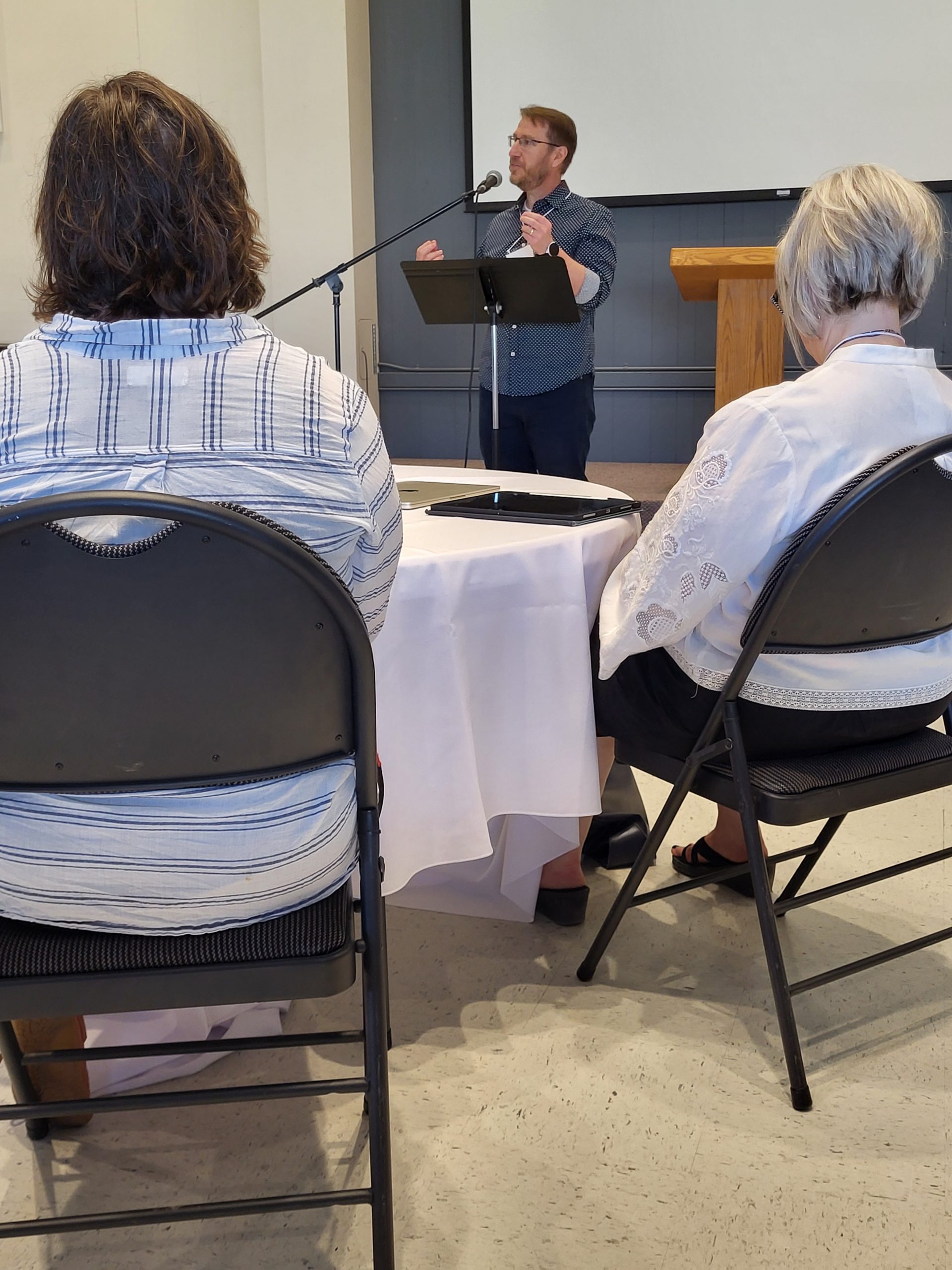
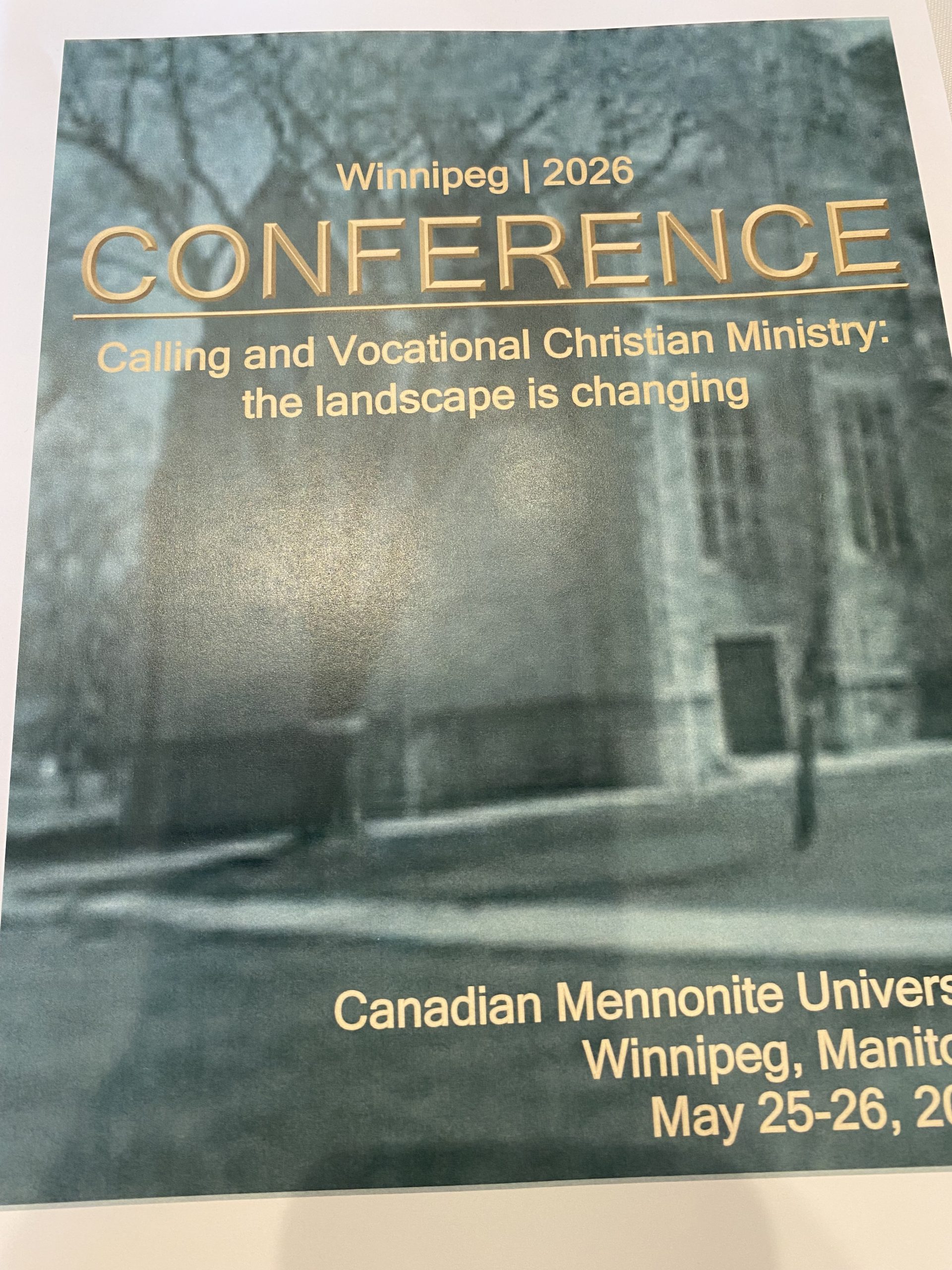
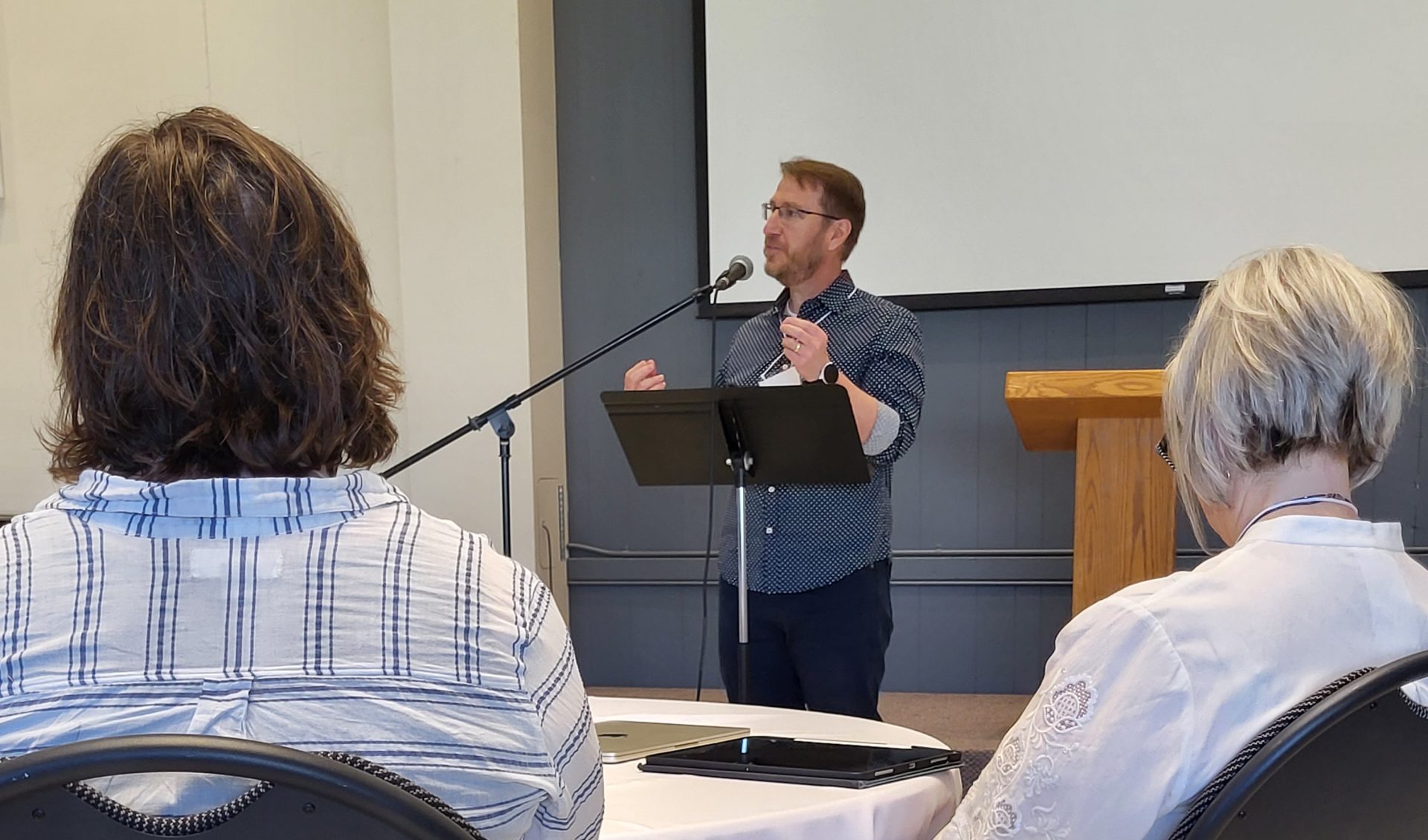
Last week I spent a couple of days on the campus of Canadian Mennonite University for a Christian Higher Education Canada gathering. The conference theme was “Calling and Vocational Christian Ministry: the Landscape is Changing.” Three presenters and three respondents spoke about three areas of interest: the phenomena of multi-vocational ministry, the rise of people called to ministry in mid-life, and the dangers of clericalism for shared ministry.
I was left reflecting on three critical questions:
1. What is the goal of theological schools in calling to vocational Christian ministry?
I read and reviewed a book called Theological Education by Anderson and Hensen in which they argued that “the mission of theological education is the mission of the church.” I think they are trying to say the whole purpose of the theological school is to serve the church. That may be true but I do not think the church’s mission and the theological school’s mission are identical. The theological school has a particular opportunity to serve the church as a people devoted to thinking deeply and critically. Perhaps that should be something that happens within the church, and one day maybe it may. Until then, the theological school functions as a part of the church uniquely designed to provide teaching, research, and a critical and prophetic voice.
Therefore, as a prophetic, teaching, and research voice for the church, theological schools have an opportunity to call people to and shape them for Christian ministry that will be faithful to God and prepared for the kind of witness the church needs today.
2. What role does clericalism play in preventing the whole people of God from being active in ministry?
My favourite presentation at the conference was delivered by Rev. Clara King, an Anglican priest living in Calgary. King challenged us to think about the normative expectations we have for clergy and for laity. King defines clericalism as follows: “Clericalism can be understood as an interlocking network of unstated, even unstatable, expectations that structure community life in the church: clergy expecting things of laity, laity expecting things of clergy.” (King, “Clericalism as a Configuration of Normative Expectations,” Journal of Religious Leadership, Autumn, 2024, p. 39) King suggests that until this problematic system is addressed, the people of God will remain largely dis-empowered.
Dr. Paul Spilsbury, president of Regent College, was King’s paper respondent. I was captured by his articulation of the Regent College founders who envisioned a graduate school void of clericalism where Christians could receive theological education at the same level of the education they had received en route to become physicians, architects, scientists, artists, and economists. This would enable them to live out their faith in the marketplace, with no thought or need for clerics in their faith communities. The early founders of Regent were from a Brethren background. As such, the first president, Dr. James Houston, wanted nothing to do with Regent offering a pastoral degree like the MDiv. He fought hard against its adoption and eventually lost that battle. What a beautiful vision of equipping and empowering the whole people of God for ministry in the marketplace.
3. What is the goal of theological education and where should it begin?
One of the challenges theological educators face is that most people find the term “theology” to be reserved for a special class of people: professors and pastors are the ones who can be trusted with the treasures that theology houses. Instead, churchgoers are given a “Christian education.” As someone who has grown up in the church and studied theology, I think this is a false dichotomy that is hindering the whole people of God. Here’s why:
First, theology is the study of God. Very simply there are two terms “theos” (God) and “logos” (word). So, theology is simply words about God or, as I conceive of it, words between God and us and us and God. Before the rise of the scientific method, theology was prayer. Reserving this concept for institutions of higher education called theological schools is limiting to the church. Children become theologians as they pray and learn long before taking a theology class after high school.
Second, Christian education is theological education. Teaching Bible stories to children, having discussions about scripture passages with teenagers, and learning in small groups and Sunday schools, is theological. Our understanding and knowledge of God is shaped through the ministry of many different people in our lives and churches. Theological education takes place through this shaping and knowing. Furthermore, Christian education without theology risks leaving relationship with God out of the equation. Christian education that is directed to knowing God and learning to live like Jesus Christ is theological at its core. It is theological education.
Concluding thoughts
While I don’t have well refined answers to these questions, I am left with some clarity and increased conviction in the role of theological schools to equip and empower the whole church for ministry in the world.