Transitional Ministry
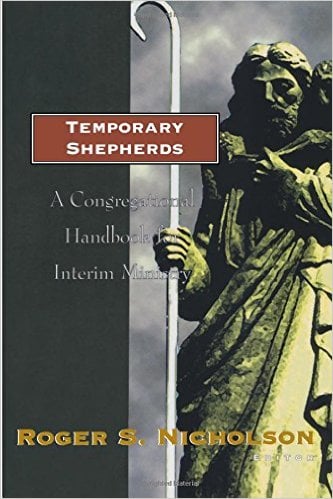
 One of the most important seasons in the life of a church takes place during pastoral transition. Roger Nicholson’s helpful book, Temporary Shepherds: A Congregational Handbook for Interim Ministry provides and excellent overview of the important tasks congregations should implement on their way from pastoral departure to calling a new leader.
 Here’s a summary of the 5 tasks from the book:
Task #1 is coming to terms with
history. This, according to Nicholson,
is probably the most difficult time in the life of a congregation. The church needs to come to terms with the
loss of their pastor without losing sight of the future. Nicholson asserts, “Painful experience in
many congregations has shown that unless conflict is resolved and healthy
communication restored prior to the call of a new pastor, the chances for the
success of the new pastorate are substantially reduced.” (p. 7). This is a time to gain perspective on the
recent and distant past—highlighting both the victories and the painful times.
history. This, according to Nicholson,
is probably the most difficult time in the life of a congregation. The church needs to come to terms with the
loss of their pastor without losing sight of the future. Nicholson asserts, “Painful experience in
many congregations has shown that unless conflict is resolved and healthy
communication restored prior to the call of a new pastor, the chances for the
success of the new pastorate are substantially reduced.” (p. 7). This is a time to gain perspective on the
recent and distant past—highlighting both the victories and the painful times.
Task #2 is discovering a new
identity. Congregations tend to think of
themselves as changeless and static but nothing could be further from the
truth. Self-study during the interim
time allows the present realities to surface rather than fond remembrances of
bygone days. Coming to terms with the ‘actual’ present also allows the search committee to accurately
describe the church to potential candidates.
identity. Congregations tend to think of
themselves as changeless and static but nothing could be further from the
truth. Self-study during the interim
time allows the present realities to surface rather than fond remembrances of
bygone days. Coming to terms with the ‘actual’ present also allows the search committee to accurately
describe the church to potential candidates.
Task #3 is addressing leadership changes during an
interim. It is not unusual for a change
in pastoral leadership to bring about a change in lay leadership as well. Change at the top may have a ripple effect as
overworked leaders tap out. Those
vacating leadership roles make room for new people to step up. In healthier congregations this can go
relatively smoothly. But in conflicted
and struggling churches this can create power struggles.
interim. It is not unusual for a change
in pastoral leadership to bring about a change in lay leadership as well. Change at the top may have a ripple effect as
overworked leaders tap out. Those
vacating leadership roles make room for new people to step up. In healthier congregations this can go
relatively smoothly. But in conflicted
and struggling churches this can create power struggles.
Task #4 is renewing denominational
linkages. Interim times are wonderful
opportunities to re-establish a connection with the denomination. Denominational resources are available to
help with times of transition and the church has a chance to reflect on
denominational identity and how relationship between church and denomination
could be strengthened for the future.
linkages. Interim times are wonderful
opportunities to re-establish a connection with the denomination. Denominational resources are available to
help with times of transition and the church has a chance to reflect on
denominational identity and how relationship between church and denomination
could be strengthened for the future.
Task #5 is commitment to new directions in
ministry. As the interim season draws to
a close, and the first four tasks have been embraced and worked through, the
church is in a place of greater unity and prepared to receive a new
leader. Nicholson says it like this,
“Differences and misunderstandings have been resolved; closure of the former
pastoral relationship has been completed; a new mission has been discerned; and
members are eager to go forward.” (p. 12)
ministry. As the interim season draws to
a close, and the first four tasks have been embraced and worked through, the
church is in a place of greater unity and prepared to receive a new
leader. Nicholson says it like this,
“Differences and misunderstandings have been resolved; closure of the former
pastoral relationship has been completed; a new mission has been discerned; and
members are eager to go forward.” (p. 12)
———–
Unfortunately, not all churches have the luxury of hiring a temporary guide (transitional pastor) to help them accomplish these important tasks. In my current church we were able to hire a seasoned guide to help (yay!) but he got sick (boo!), the tasks we not completed (uh oh!), and the ride got quite bumpy (conflict! it’s one of the indicators of a poorly executed transition). Here’s what it looked like:
- The lead pastor left to take on a denominational role (after 10+ years of ministry at that church)
- An intentional interim pastor was hired
- The intentional interim pastor had a stroke
- The most senior leader (a trusted and longstanding 15+ year associate pastor) stepped in to fill the gap
- The longstanding associate pastor retired
- I stepped in as the interim pastor
- Later I was hired as the permanent lead pastor
In retrospect, if you’re looking for a healthy church transition, I would highly recommend hiring a specialized transitional pastor who can walk your church through the five tasks (or some form of them) from beginning to end. I would not recommend my experience. One day soon I’m hoping to use my experience, reading, and training to help churches make their transitions a healthy and enjoyable experience.